Understanding Thread Count Myths: What Really Drives Quality in Bed Linens
Thread count is often touted as the premier indicator of quality, but it tells only part of the story. In a room where sheets are the soft, daily discipline of sleep, the true measure of quality rests on a chorus of factors: fiber type, weave, finishing, and care. This article unpacks the myths and offers a practical framework for evaluating bed linens so you can shop with clarity—without surrendering comfort.
The language of fabric often sounds like a secret code. Thread count sits at the center of that code, a numeric lure that promises hotel luxury and lifelong softness. Yet as any thoughtful observer of textiles will remind you: a high thread count on a coarse fiber can be stiff; a modest count on a luxuriously smooth fiber can feel extravagant. The goal is a harmony between count, fiber, and weave, a balance that yields both initial comfort and durable performance wash after wash.
1) The three layers of quality: fiber, weave, and finish
When you pick a bed sheet, you’re choosing three intertwined realities:
- Fiber type matters. Cotton, linen, and blends each have a distinct personality. Organic cotton, for example, often carries certifications such as GOTS or OEKO-TEX, signaling a standard of responsible farming and processing. Linen—made from flax fibers—brings breathability and a natural temperature regulation that the body notices on hot summer nights and cool, damp mornings alike. Blends can harmonize softness with durability, balancing memory-foam-friendly comfort with wash-fast resilience.
- Weave defines texture and behavior. Percale and sateen offer two archetypal hands. Percale is a crisp, matte weave with a cool hand; its one-over-one-under structure yields a breathable, airy feel. Sateen, with a higher satin weave, tends to be smoother, more luminous, and slightly warmer due to its denser surface. There are certainly other weaves—jacquard, twill, and linen’s plain weave among them—but percales and sateens cover the spectrum most households experience.
- Finish and processing influence longevity. Finishes matter, from stone-washing and enzyme-treatments to plant-based softeners and dye methods. Finishes can soften a sheet, shape its drape, or improve its stain resistance. Finishes also interact with the washing routine—some finishes are more forgiving of high-heat drying, others require gentler care to sustain their feel and color.
2) Fiber types in practice: organic cotton, linen, and blends
A practical way to evaluate fiber is to translate it into lived experience.
Organic cotton is commonly associated with certifications that reassure about pesticide-free farming and responsible processing. A 300- to 480-thread-count cotton sheet can feel deeply soft and breathable, especially when harvested from long-staple fibers. Higher thread counts do not automatically guarantee luxury; they can simply translate to a denser fabric that may trap heat if the fiber isn’t naturally airy.
Linen arrives with a different tempo. Linen fibers, sourced from flax, bring inherent moisture management, temperature regulation, and a characteristic texture. Linen sheets often feel cooler to the touch and become softer with each wash, a natural aging process that many sleepers find desirable. Premium linen fabrics—especially those with European flax and careful weaving—tursn a simple bedding ritual into a quiet luxury.
Blends—cotton-linen, cotton-microfiber, and other combinations—aim to fuse benefits: the softness and easy care of cotton with the breathability of linen, or the stain resistance and low maintenance of microfibers. Blends can deliver durable everyday performance, but the exact outcome depends on the blend ratio, fiber quality, and the weaving technique.
3) Weave and weight: how texture translates to comfort
The weave is the architecture of a sheet. Percale is a simple, crisp, one-over-one-under weave that yields a matte surface with a cool, airy feel. The thread count often sits around the 200–500 range, with higher numbers typically offering a smoother surface and tighter weave. Sateen, in contrast, uses a weft-forward weave that creates a smoother, more lustrous surface, often in the 300–600 range. Yet a higher count in sateen doesn’t necessarily mean superior; it can translate to a heavier hand and a warmer night.
Weight—often described as the fabric’s grams per square meter (GSM) or ounces per square yard (oz/yd²)—is another meaningful signal. A lighter-weight sheet can feel breezy and quick-drying, ideal for summer climates or warm sleepers. A heavier sheet can offer a cocooning warmth and a sense of longevity, particularly when combined with robust fibers. The sweet spot differs by climate, sleep temperament, and bed setup.
4) Finishes, care, and the longevity equation
Finishes and post-processing shape how a sheet behaves after the first wash. Stone-washed linen, enzyme-softened cotton, or plant-based softeners each alter a sheet’s hand and resilience. Finishes should serve a real-world routine: how often you launder, at what temperature, and whether you line-dry or tumble-dry.
A practical heuristic: if a fabric is advertised with a very high thread count but lacks credible certification or fiber quality details, approach with caution. A high thread count without durable fiber or a breathable weave may yield a pillow-stiff feel that stiffens with time. Conversely, a well-chosen mid-count sheet in organic cotton or linen with a thoughtful weave and proper finishing can outperform a luxurious-sounding but poorly executed competitor.
5) Real-world guidelines: how to shop for quality
Here are actionable steps to evaluate sheets in a way that aligns with the truth of their construction rather than marketing gloss:
- Check the fiber and certifications. Look for explicit fiber content (e.g., 100% organic cotton, 100% linen) and recognized certifications (GOTS, OEKO-TEX, Global Linen Label). These signals point toward more transparent supply chains and higher standards of processing.
- Compare fiber maturity and staple length. Long-staple fibers typically produce a smoother, stronger yarn and a fabric that tolerates repeated washing better. If a product is silent about staple length, seek additional documentation or reviews that can illuminate its construction.
- Assess weave in relation to climate and sleep style. A warm sleeper in a tropical climate may prefer a crisp percale or lightweight linen, while a cooler sleeper in a temperate climate might appreciate a slightly heavier, breathable sateen or a luxuriously airy linen blend.
- Read the finish and care directions. Plant-based softeners, stone-washing, enzymes, and dye methods affect hand and longevity. A responsible care routine (cold wash, gentle cycle, low tumble dry) generally extends fabric life and retains color and texture.
- Sample the feel, if possible, before commit. In person, you can gauge whether a sheet feels crisp or soft, how it drapes on the bed, and whether its weight aligns with your nightly climate. Online resources and swatch programs can help, but tactile experience remains invaluable.
6) A note on brands, domains, and integrity
In a landscape of brands, a name like qualitybedlinen.com evokes a broad invitation to learn, compare, and understand. The strongest sites anchor educational intent with transparent data—fiber sources, certification credentials, weave types, and care guidelines—while avoiding hype that misleads consumers about what makes a sheet truly durable.
7) Putting it into practice: a quick evaluation framework
If you’re evaluating a sheet set, use this compact framework:
- Fiber type and origin: Is it organic? Linen from flax farmers? Are there certifications that attest to sustainable practices?
- Weave: Percale or sateen, or something else? How does the weave influence breathability and feel?
- Weight and drape: Does the fabric feel suitable for your climate and bed setup?
- Finish and care: What finish is used, and how easy is it to care for over years?
- Longevity signals: Are there practical details that honor the life of the fabric without capitalizing on fleeting novelty?
The articles below, grounded in the themes of fiber, weave, and care, aim to empower readers to make wise choices. The point is not to worship a single metric but to cultivate an informed, confident eye for bedding quality.
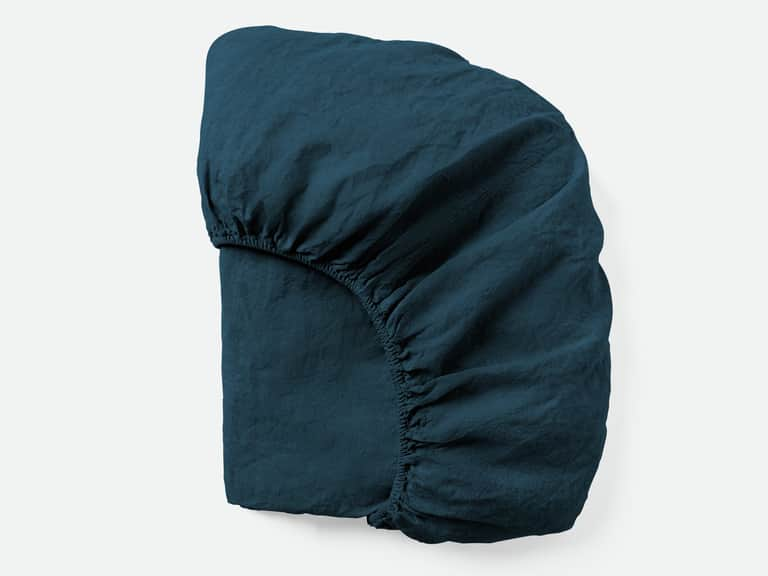
Selected product note: Organic Relaxed Linen Fitted Sheet
The Organic Relaxed Linen Fitted Sheet from Coyuchi embodies the thread-count conversation in a linen language. It is crafted from 100% organic flax grown in France and woven in Portugal, featuring a 15-inch deep pocket and full elastic, with cuffs finished by pick stitching. The finish is plant-based, and the care guidance emphasizes cold washing and gentle tumble drying. The product carries GOTS certification, underscoring its organic lineage and sustainable processing.
This sheet is a practical example of how fiber choice (organic linen), weave (linen’s plain weave with a garment-washed feel), and finishing (plant-based softener and pick-stitched cuffs) converge to deliver a breathable, long-lasting sleep surface. Its deep pocket and secure elastic ensure that the sheet stays put across movements, a practical feature for restless sleepers.
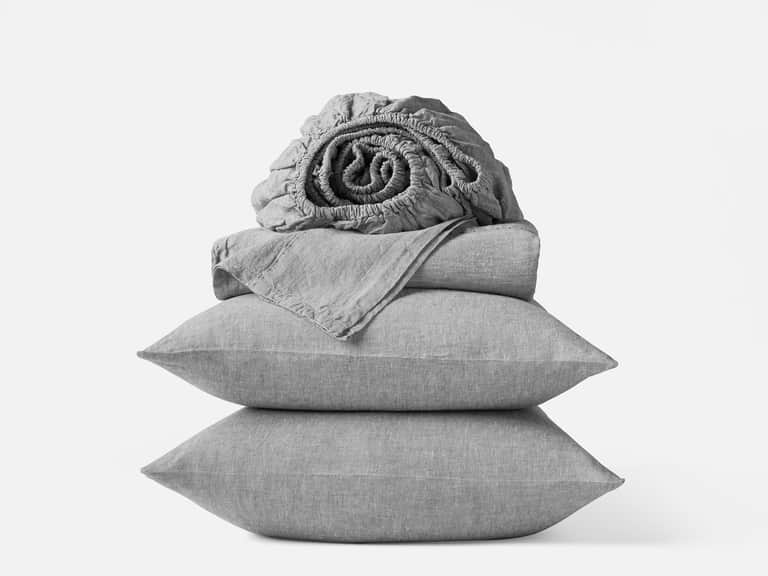
Selected product note: Organic Relaxed Linen Sheet Set
The Organic Relaxed Linen Sheet Set pairs a flat sheet with a fitted sheet that features a 15-inch pocket, full elastic, and a plant-based softener finish. Also GOTS-certified, this set emphasizes a year-round, breathable experience where linen’s natural texture becomes softer with every wash.
The Draping quality, the calm color palette, and the hard-wearing nature of linen all align with the educational aim of understanding what makes bed linens endure. The set’s plant-based softener marks a gentle approach to finishing that respects the environment and skin comfort, while the deep-pocket design keeps bedding neatly anchored.
Conclusion: thread count as part of a broader quilt
Thread count remains a familiar shorthand for many shoppers, and rightly so: it’s a signal in a noisy market. But the best bed linens are not a single digit or a single metric. They are the product of fiber fidelity, weaving craft, and thoughtful finishing, all supported by care routines that honor the fabric’s life. The most satisfying purchases—whether for a single sleeper or a shared bed—are those that translate into consistent comfort, year after year.
For readers focused on durable, informed choices, the path forward is straightforward: seek transparency in fiber and certifications, understand the weave as a predictor of feel, and align finishing and care with your regular washing routines. Good bed linens aren’t merely about comfort; they’re a daily ritual of rest, a small but meaningful commitment to a better night’s sleep.
If you’d like, we can extend this article into a practical buyer’s checklist, a glossary of textile terms, and a curated reading list that anchors quality bed linen discussions in accessible, evidence-based guidance.
Notes on style and tone
The New Yorker’s editorial sensibility emphasizes clarity, precision, and a measured, observant voice. This article adopts that cadence to translate technical textile considerations into a narrative accessible to everyday shoppers. We avoid invented quotes or personalities, sticking instead to verifiable material characteristics, recognized certifications, and practical care guidance.
Further reading and related topics
- What Makes Quality Bed Linen? A Buyer’s Guide to Fabrics, Weaves, and Finishes
- Care Tips to Extend the Life of Your Bed Linen
- Understanding Thread Count: Debunking Myths
Product note: available on qualitybedlinen.com
Organic Relaxed Linen Fitted Sheet — Coyuchi (GOTS) — 278.00
Organic Relaxed Linen Sheet Set — Coyuchi (GOTS) — 598.00
Note: Product references are provided to illustrate how the site’s editorial framework integrates product context without compromising the educational stance. Links lead to product pages that reflect the described specifications and care instructions.