 Bedding
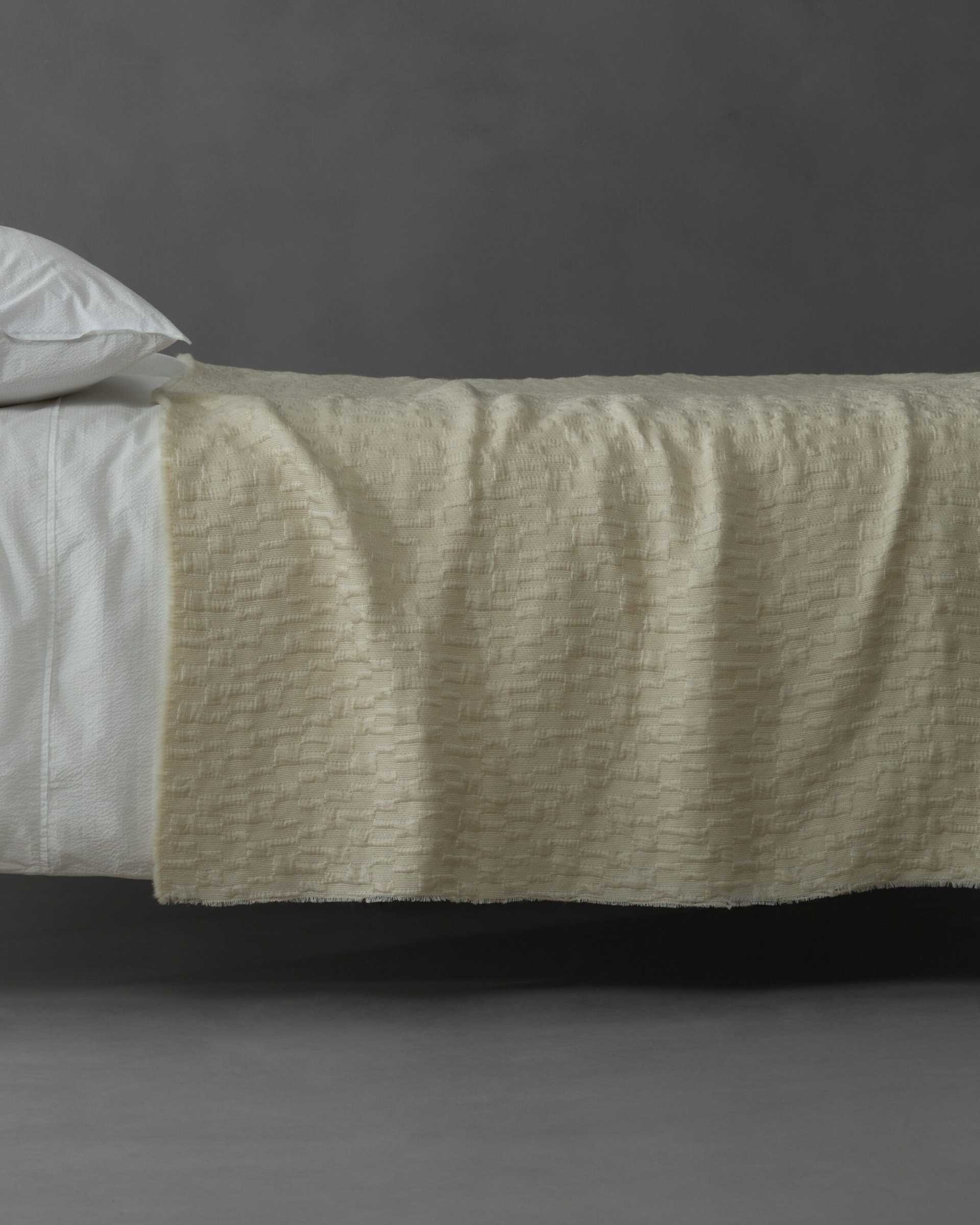
Layal Bedcover
Bring soft, velvety texture and understated geometric style to your bed or living room. Woven from alpaca, wool, and silk, this lightweight bedcover adds a cozy, tactile layer to your space.
Bed covers, also known as bedspreads or coverlets, provide a protective layer for mattresses while contributing to a cohesive bedroom aesthetic. They vary in weight, weave, and materials, influencing warmth, breathability, and durability. Understanding fabric composition helps in selecting a bed cover that complements seasonal needs and daily use, from lightweight cotton blends to thicker quilted options.
Tex Bedcover is a notable example within qualitybedlinen.com, offering designs that emphasize both function and comfort. Key features typically include durable stitching, appropriate overhang, and easy-care maintenance. Functional benefits include added insulation, protection against wear, and a decorative finish that can influence room tone without requiring frequent laundering.
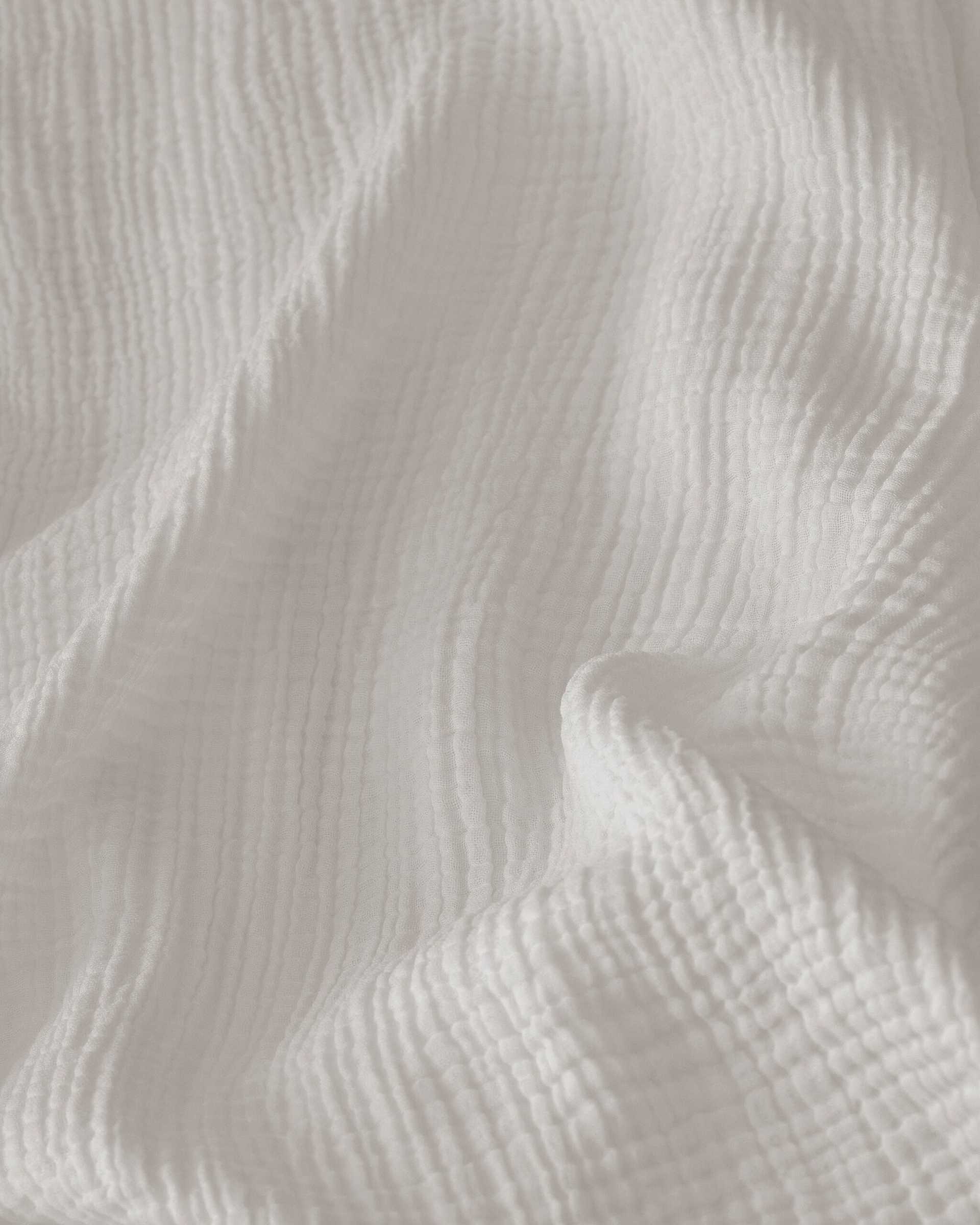
When evaluating bed covers, consider fabric weight (tog rating), weave (percale, sateen, jacquard), and finish (matte or subtle sheen). These factors affect feel against the skin, temperature regulation, and wrinkle resistance. For households with allergies, tightly woven materials can reduce dust accumulation and improve overall bedroom hygiene.
Compatibility with other textiles is important: bed covers should coordinate with sheets, pillowcases, and duvet inserts to create a balanced sleep environment. Features such as hem length, edge trimming, and corner depth determine how well the cover accommodates different mattress thicknesses and toppers, maintaining a neat, tailored appearance.
In the context of bedding, keywords like bedding, pillows, sheets, duvet covers, and latex reflect related products and materials often considered alongside bed covers. Understanding how these elements interact — from moisture management to tactile comfort — supports informed choices for long-term usability and bedroom ergonomics.
Bedding
 Bedding